Digi Ads Zone
AI-Powered Growth & Marketing Agency
Digi Ads Zone
AI-Powered Growth & Marketing Agency
AI-Powered Growth & Marketing Agency
In today’s fast-moving digital economy, businesses across the United States are under constant pressure to operate faster, deliver better customer experiences, and stay ahead of the competition. Companies that still rely heavily on manual processes often struggle with inefficiency, missed opportunities, inconsistent communication, and rising operational costs.
This is where AI automation is changing the game.
Artificial Intelligence is no longer just a futuristic concept used by large tech corporations. Today, businesses of all sizes—from startups and local service providers to enterprise-level companies—are using AI automation to simplify operations, improve productivity, and create scalable systems that drive long-term growth.
Whether it is automating lead generation, managing customer communication, streamlining workflows, or improving business decisions through real-time insights, AI automation allows companies to work smarter instead of harder.
In this article, we will break down how AI automation works, why it matters, and how businesses in the USA are using it to increase efficiency and accelerate growth.
AI automation refers to the use of artificial intelligence technologies to automate repetitive tasks, business processes, and workflows with minimal human involvement.
Traditional automation follows fixed rules and instructions. AI automation goes a step further by learning from data, analyzing patterns, making intelligent decisions, and adapting over time.
For example:
=> A traditional automation system may send a fixed email after someone fills out a contact form.
=> An AI-powered system can analyze customer behavior, personalize responses, qualify leads, and determine the best follow-up strategy automatically.
This combination of automation and intelligence helps businesses improve speed, accuracy, and efficiency while reducing manual workload.
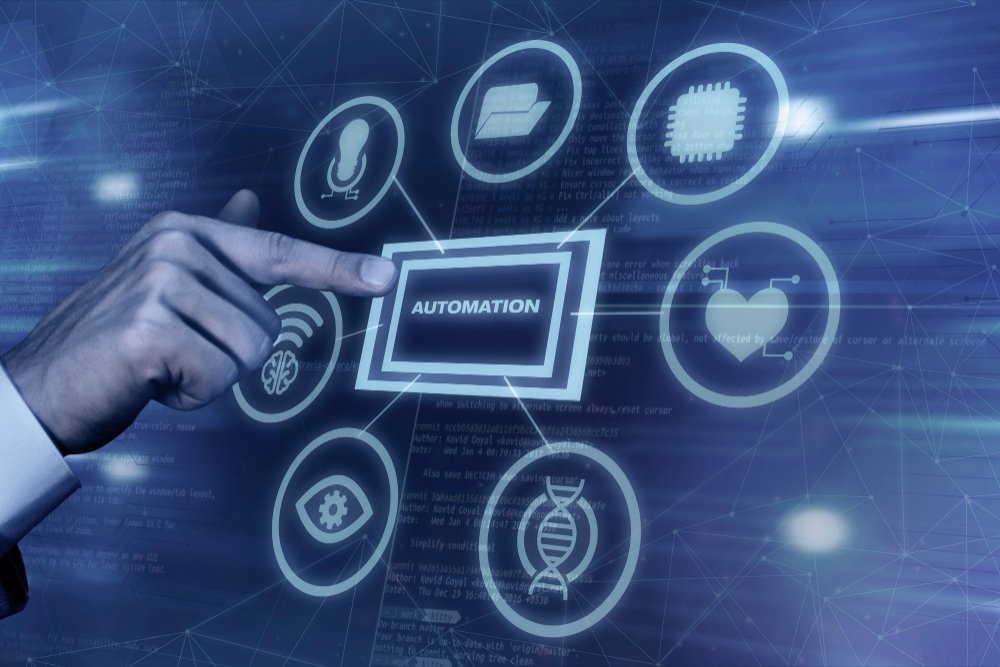
AI automation works by combining software tools, workflows, machine learning, and business logic to automate tasks intelligently.
Here is a step-by-step breakdown of how a typical AI automation system works.
The first and most important step in AI automation is identifying repetitive tasks inside your business. These are the daily activities that consume time, slow down productivity, and require constant manual effort from your team.
Most businesses do not realize how much time is lost on routine operations until they start analyzing their workflows closely. Employees often spend hours every week handling tasks that could easily be automated with the right AI systems in place.
The goal of automation is not to replace people. The goal is to eliminate unnecessary manual work so your team can focus on higher-value activities like sales, customer relationships, strategy, and business growth.
The first step is identifying tasks that consume unnecessary time and resources.
Common examples include:
1. Responding to customer inquiries
2. Sending follow-up emails
3. Scheduling appointments
4. Updating CRM systems
5. Data entry
6. Managing leads
7. Creating reports
8. Processing invoices
9. Social media posting
These repetitive activities slow down teams and reduce overall productivity.
Once repetitive tasks have been identified, the next step is building automated workflows that allow those processes to run smoothly without constant manual involvement.
This is where AI automation starts creating real operational improvements inside a business.
An automated workflow is a structured sequence of actions triggered automatically based on specific conditions or customer behavior. Instead of employees manually managing every step, AI systems handle tasks instantly and consistently behind the scenes.
For businesses in the USA, where speed, customer experience, and efficiency are critical, workflow automation helps eliminate delays, reduce human error, and improve productivity across departments.
Once repetitive tasks are identified, workflows are designed to automate those processes.
For example:
This entire process happens automatically within seconds.
Once automated workflows are built, the next step is integrating the right AI tools and business platforms together. This is one of the most important parts of successful AI automation because disconnected systems often create delays, duplicate work, and communication problems.
Modern businesses use multiple software platforms every day. Sales teams work inside CRM systems, marketing teams use email automation tools, customer support teams manage helpdesk software, and operations teams rely on analytics dashboards and scheduling platforms.
Without integration, employees are forced to move data manually between systems, which wastes time and increases the risk of errors.
AI integration solves this problem by connecting all business tools into one automated ecosystem where information flows smoothly between platforms in real time.
Modern AI automation systems connect multiple business tools together.
These may include:
1.CRM platforms
2. Email marketing software
3. Chatbots
4. Scheduling systems
5. Analytics dashboards
6. Payment gateways
7. Customer support systems
Integration ensures smooth communication between platforms and eliminates manual data transfers.
One of the most powerful advantages of AI automation is its ability to help businesses make smarter decisions using real-time data and intelligent analysis.
Modern businesses generate massive amounts of information every single day. Customer interactions, website traffic, marketing performance, sales reports, engagement metrics, and operational data all contain valuable insights. However, manually analyzing this information takes time and often leads to incomplete or inaccurate conclusions.
AI changes this completely.
Instead of relying on guesswork or outdated reports, AI systems analyze data automatically, identify patterns, and provide actionable recommendations that help businesses improve performance, reduce inefficiencies, and make better strategic decisions.
For companies in the United States where competition moves quickly, data-driven decision-making has become essential for growth.
AI systems analyze customer behavior, engagement patterns, and business data to make intelligent recommendations.
For example:
1. Predicting which leads are most likely to convert
2. Identifying customer trends
3. Optimizing marketing campaigns
4. Improving customer targeting
5. Detecting workflow inefficiencies
This helps businesses make faster and smarter decisions based on real data.
One of the biggest advantages of AI automation is that it does not remain static. Unlike traditional systems that require constant manual adjustments, AI-powered automation improves over time as it collects more data and learns from business operations.
This means the longer businesses use AI automation, the smarter and more efficient their systems become.
For growing companies in the United States, this is extremely valuable. Businesses need systems that can adapt, improve performance, and support long-term growth without dramatically increasing operational costs.
AI allows companies to scale operations intelligently while maintaining speed, consistency, and customer satisfaction.
AI automation systems improve over time.
As more data is collected, AI becomes better at:
1. Understanding customer behavior
2. Improving communication
3. Increasing efficiency
4. Reducing errors
5. Optimizing workflows
This allows businesses to scale operations without dramatically increasing overhead costs.

AI automation is helping businesses work faster, reduce costs, and deliver better customer experiences — without increasing workload.
Here are some of the biggest benefits businesses are seeing today:
Workflow automation helps businesses streamline daily operations by removing repetitive manual tasks and connecting different systems together automatically.
Instead of employees constantly switching between tools, updating spreadsheets, sending reminders, or tracking tasks manually, automated workflows handle these processes seamlessly in the background.
This creates faster, more organized, and more efficient business operations.
=> Faster business operations
=> Reduced human errors
=> Improved team collaboration
=> Better task and project management
=> Consistent workflow execution
=> Increased operational efficiency
=> Time savings for employees
=> Better customer experience
AI-powered workflow automation can automatically:
=> Assign tasks to team members
=> Send reminders and notifications
=> Update customer records in CRM systems
=> Track project progress in real time
=> Organize leads and follow-ups
=> Trigger emails and customer responses
=>Sync data across multiple platforms
When a new lead submits a form on your website, the automation system can instantly:
All of this happens without manual effort.
Modern businesses need speed, accuracy, and scalability.
Workflow automation helps companies reduce operational bottlenecks, improve productivity, and ensure that important tasks are completed consistently without relying entirely on manual work.
As businesses grow, automation becomes essential for managing operations efficiently while saving time and reducing costs.
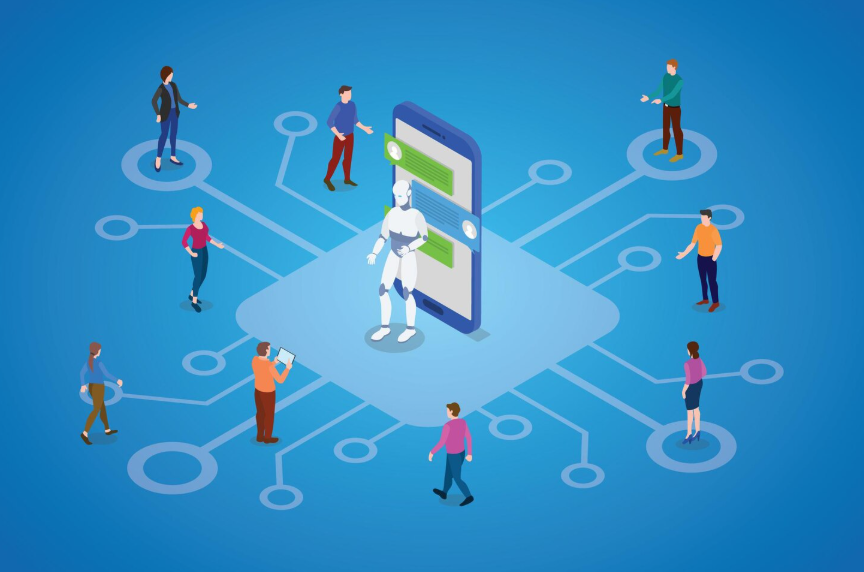
One of the biggest reasons businesses lose potential customers is slow response time.
When a lead reaches out, every minute matters. If businesses take too long to respond, prospects often move on to competitors.
AI automation helps solve this by instantly capturing, managing, and nurturing leads automatically — 24/7.
AI-powered systems can:
=> Respond to inquiries instantly
=> Qualify leads automatically
=> Send personalized follow-up emails
=> Schedule calls and appointments
=> Track customer interactions and engagement
=> Organize leads inside the CRM
=> Follow up consistently without manual effort
For example, when someone fills out a form on your website or sends a message through social media, the AI system can immediately:
This ensures no lead gets ignored or forgotten.
Businesses can:
=> Increase lead conversion rates
=> Respond faster than competitors
=> Reduce manual follow-up work
=> Improve customer experience
=> Generate more sales opportunities
=> Scale lead management efficiently
With AI-powered lead nurturing, businesses stay connected with potential customers at every stage of the sales process — automatically.
One of the biggest advantages of AI automation is saving businesses both time and money.
Many companies waste hours every week handling repetitive tasks manually. AI automation removes that bottleneck by managing routine operations automatically and efficiently.
This allows teams to focus on growth, sales, and customer relationships instead of time-consuming administrative work.
=> Customer support responses
=> Data entry and updates
=>Appointment scheduling
=> Email follow-ups
=> Invoice and payment processing
=>Reporting and analytics
=>Lead management tasks
=>Internal workflow coordination
Instead of employees spending hours on repetitive processes, AI systems can handle tasks instantly and continuously — without delays or manual supervision.
For example:
=> AI chatbots can answer customer inquiries 24/7
=> Automated systems can send follow-up emails automatically
=> CRM workflows can update customer records in real time
=> Scheduling systems can book appointments without human involvement
This reduces operational slowdowns and improves overall business performance.
AI automation helps businesses:
=> Reduce operational costs
=> Lower dependency on manual labor
=> Increase team productivity
=> Improve turnaround times
=> Minimize costly human errors
=> Handle more work without hiring large teams
=> Increase overall profitability
Businesses become faster, more efficient, and more scalable while reducing unnecessary expenses.
By automating repetitive tasks, companies can operate smarter, serve customers faster, and grow without overwhelming their team.
Modern businesses generate huge amounts of data every day — from customer interactions and sales reports to marketing campaigns and website activity.
The challenge is turning that data into clear, actionable decisions.
AI automation helps businesses analyze data quickly, identify patterns, and provide real-time insights that improve decision-making across the company.
AI systems can:
Instead of manually reviewing reports and spreadsheets, AI can automatically analyze business data and show:
This helps business owners and teams make faster, data-driven decisions.
Businesses can:
With AI-powered insights, businesses can operate smarter, improve performance, and stay ahead of competitors in a rapidly changing market.
Instead of relying only on assumptions, companies can make strategic decisions based on real-time data and intelligent analysis.

As businesses grow, managing operations manually becomes more difficult and time-consuming.
More customers, more leads, more tasks, and more communication often create operational chaos if systems are not built to scale.
Without automation, business growth can lead to:
=> Higher labor costs
=> Slower operations
=> Missed follow-ups and tasks
=> Communication gaps between teams
=> Increased human errors
=> Reduced productivity and efficiency
AI automation helps businesses build scalable systems that can handle growth smoothly and efficiently.
AI-powered systems can automatically manage increasing workloads without requiring businesses to constantly expand their team.
Whether a company is handling:
=> 100 leads or 100,000 leads
=> 10 customers or thousands of customers
=> A small team or multiple departments
automation keeps operations organized, consistent, and efficient.
Businesses can automate:
=> Customer support
=> Lead management
=> Sales follow-ups
=> Appointment scheduling
=> Internal workflows
=> Marketing campaigns
=> Reporting and analytics
=> Team communication processes
As demand increases, the system continues running efficiently without overwhelming employees.
Businesses can:
AI automation gives businesses the ability to scale confidently without sacrificing efficiency, organization, or customer experience.
Instead of growth creating operational problems, automation helps companies expand with systems already designed to support long-term scalability.
AI-Powered Growth & Marketing Agency